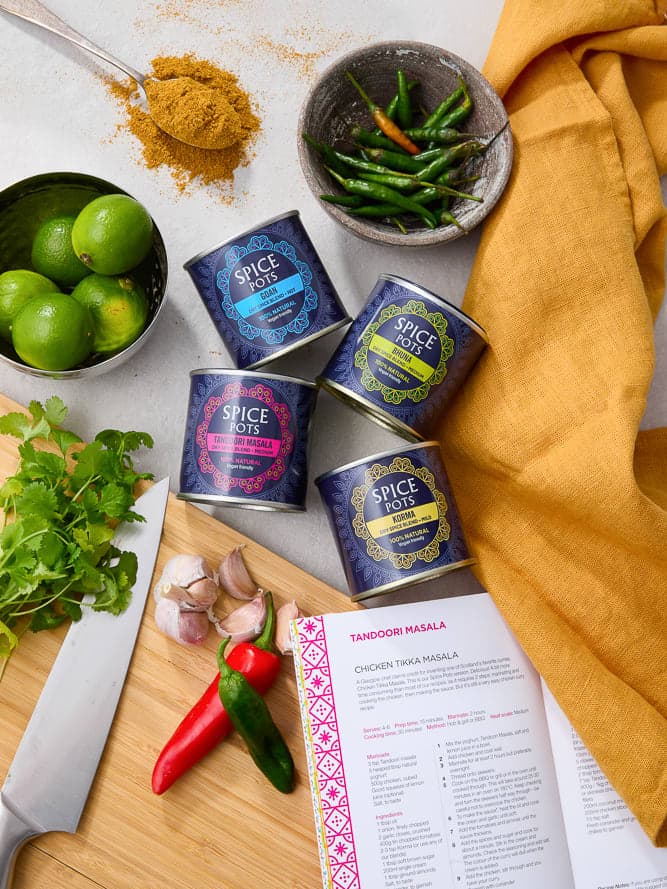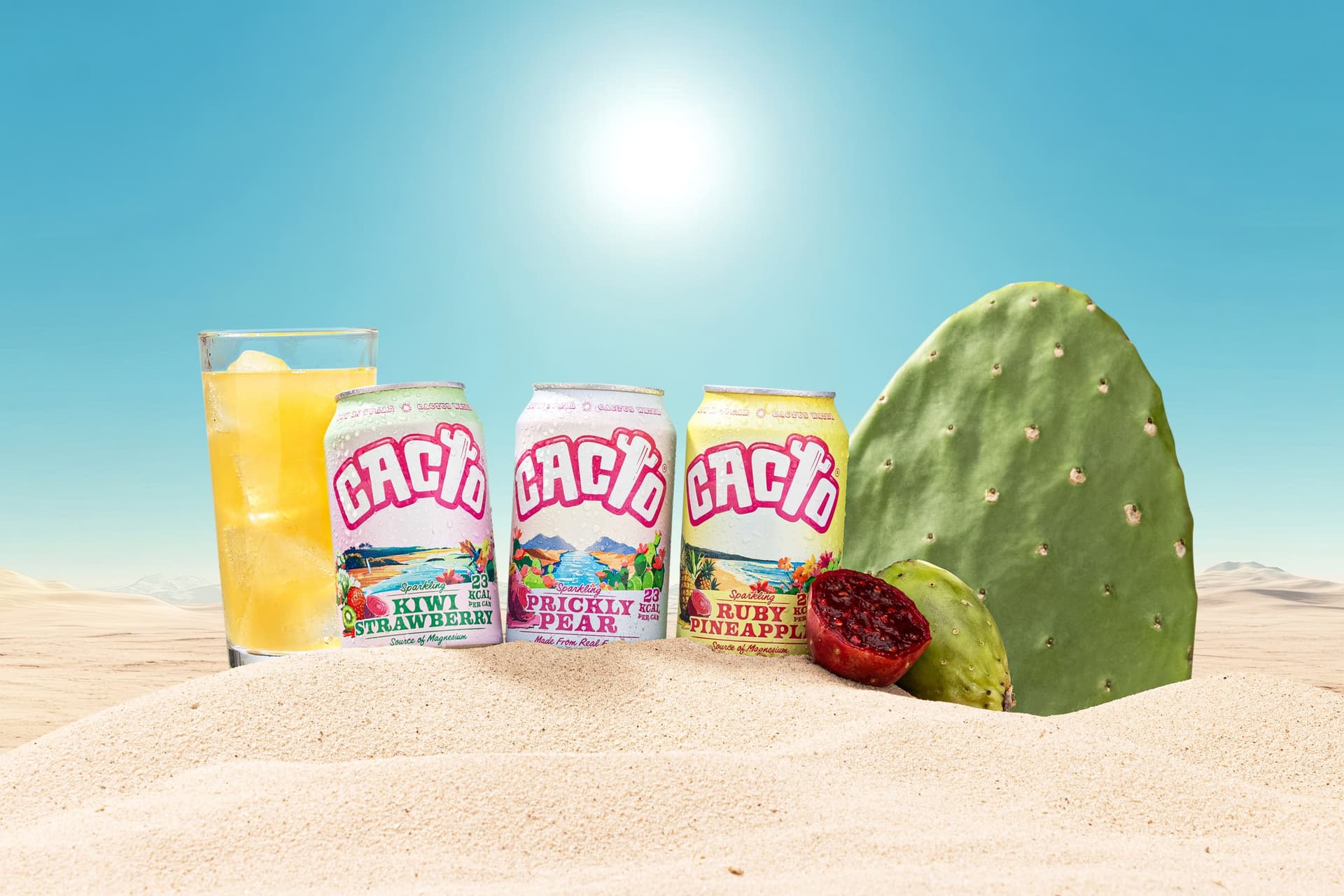
A recognisable image style is built from repeatable choices. It does not require every photograph to share the same background, and it should not make different products look indistinguishable.
Start with the parts of your current imagery that already feel right. Keep those decisions visible in the brief so a new shoot or creative variation has a clear starting point.
1. Choose a few visual constants
Pick the elements that matter most: camera height, shadow character, palette, crop or the way materials are lit. A small set of consistent choices is easier to maintain than a long list of vague adjectives.
Show examples and explain why they work. “Soft side light with visible texture” gives a photographer more direction than “luxury”.
2. Let the product lead
Identify the detail that makes the item distinct. It might be a colour, construction feature, texture or packaging shape. Make sure the visual treatment reveals it rather than covering it with props.
A useful brand style should work for the actual range, including the awkward product that does not fit the easiest composition.
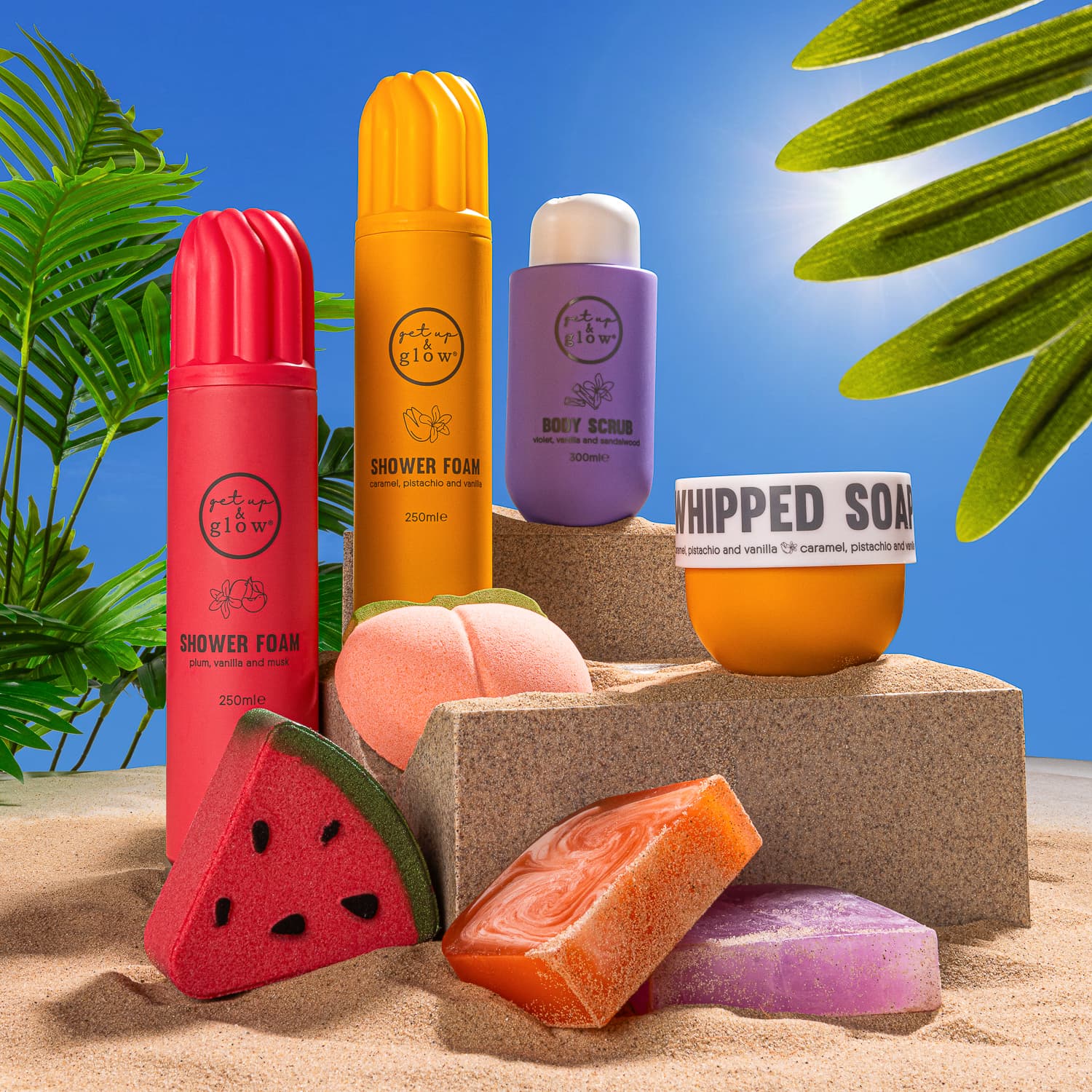
3. Adapt to the placement
A product tile, email banner and vertical campaign image need different framing. Preserve the visual constants while allowing composition to change for the space.
Plan those uses before the shoot. A wider capture can provide flexibility, but every crop still needs checking for hidden labels or lost detail.
4. Use variety with a purpose
Introduce new settings or treatments when they serve a campaign idea. Keep the product accurate and the direction connected to the brand. AI-assisted work can expand the options, but a collection of unrelated attractive scenes will not create consistency by itself.
Review the set together. Variation is easier to judge when you can see the images side by side.
5. Keep a usable reference library
Save approved images, crop examples and short notes about the decisions behind them. Separate current assets from outdated packaging and rejected variants.
Use that library when briefing a photographer, designer or PMP AI Studio. For a deeper look at consistency across channels, read building a visual brand story.