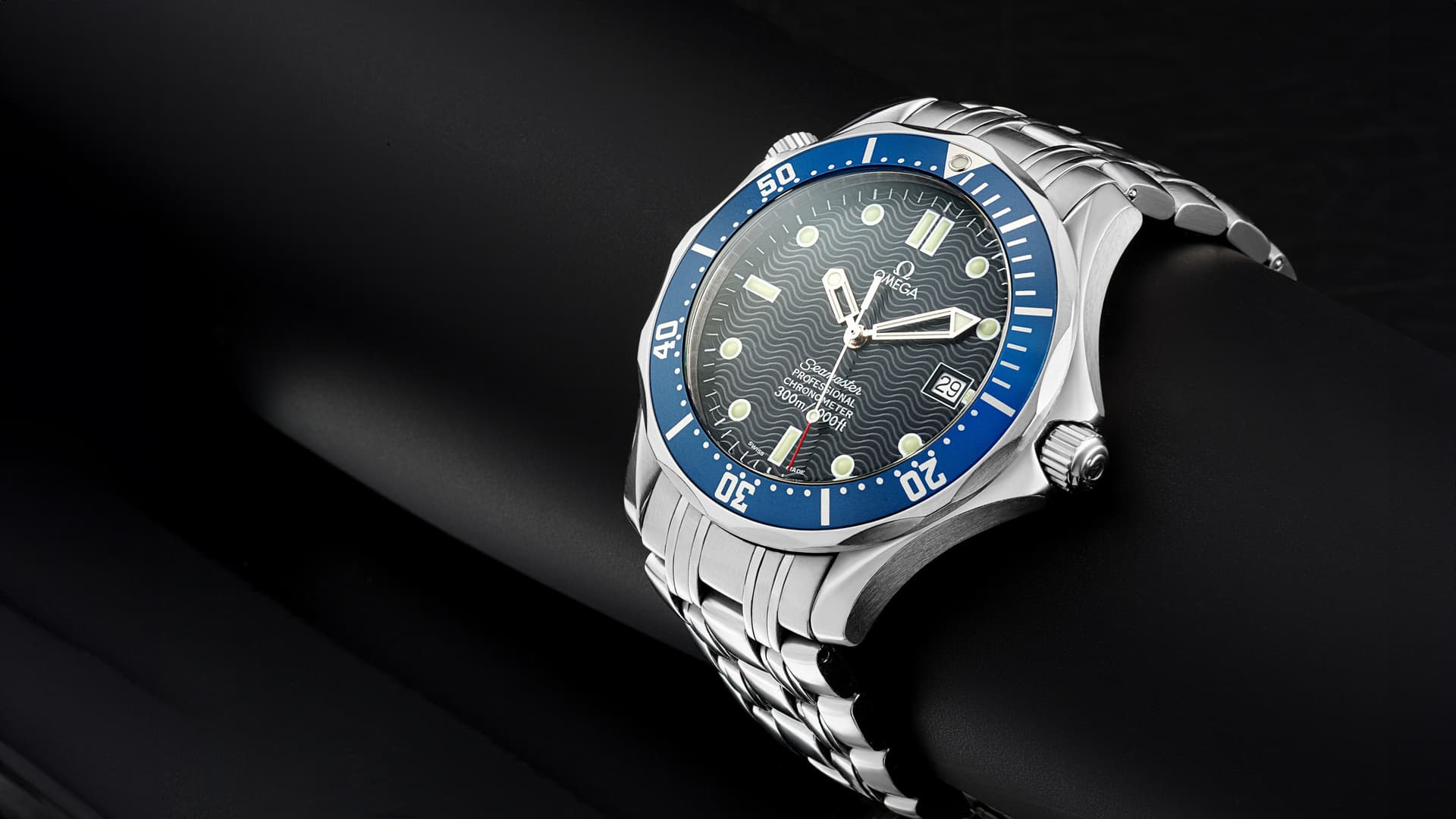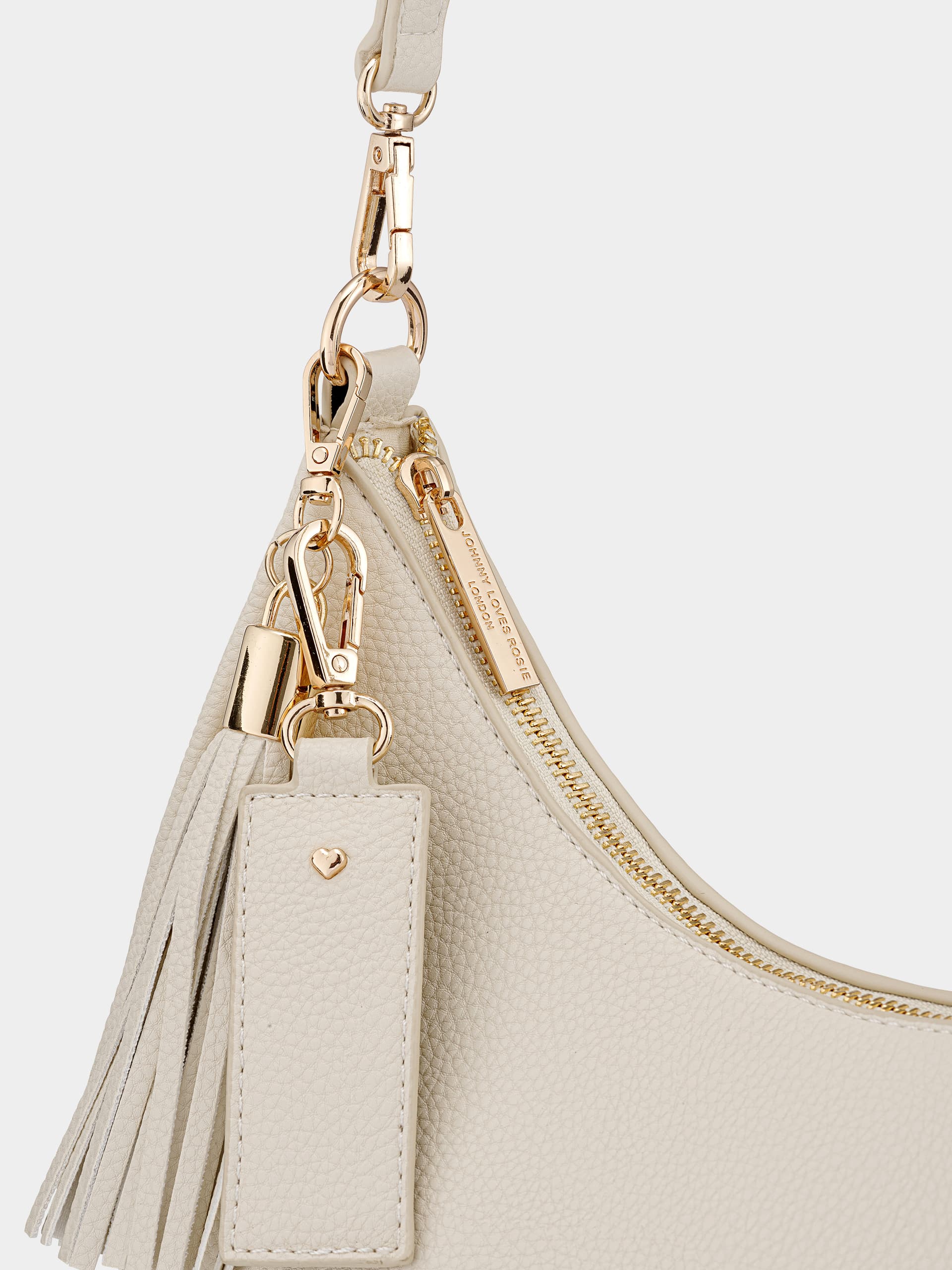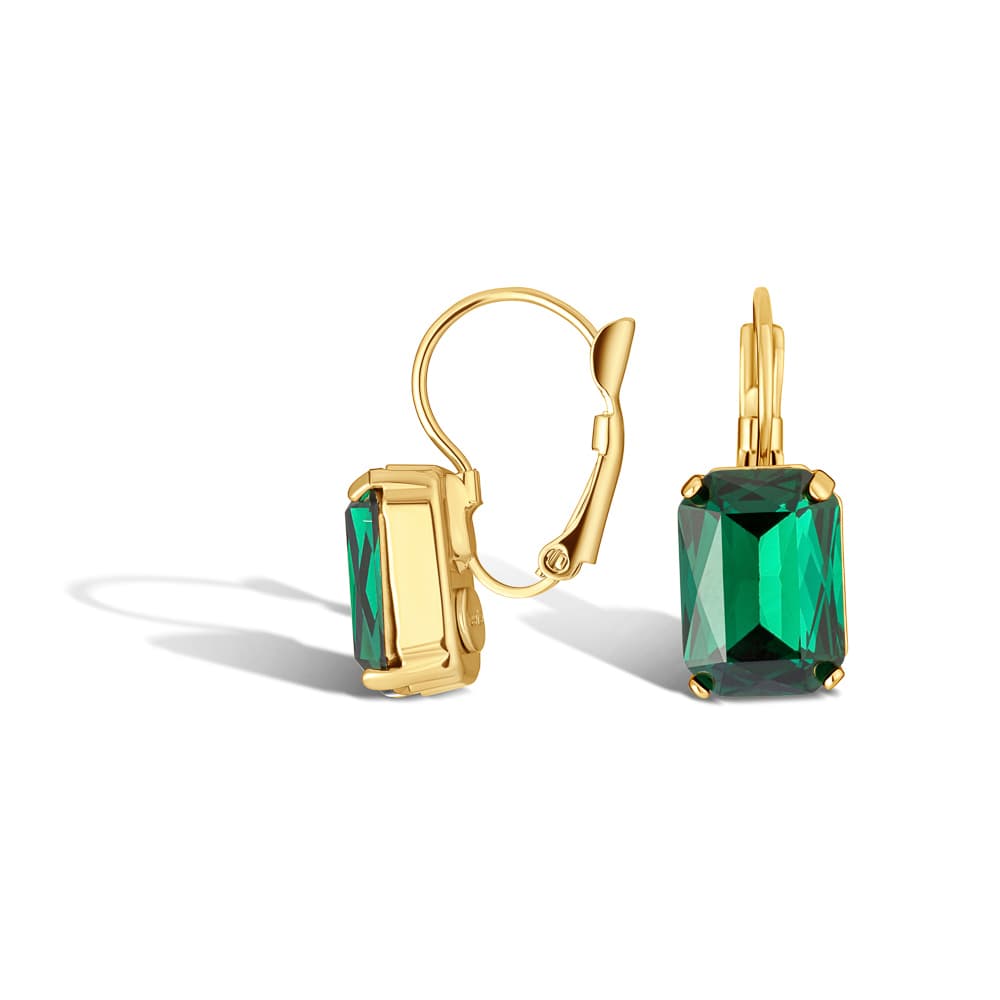
Jewellery asks a small image to communicate a lot: metal finish, stone setting, proportion and workmanship. A dramatic sparkle may attract attention, but the buyer still needs to understand the piece.
Build the brief around the details someone would inspect in person. The right set varies between a ring, chain, pair of earrings and a more complex piece.
Give shape and detail their own space
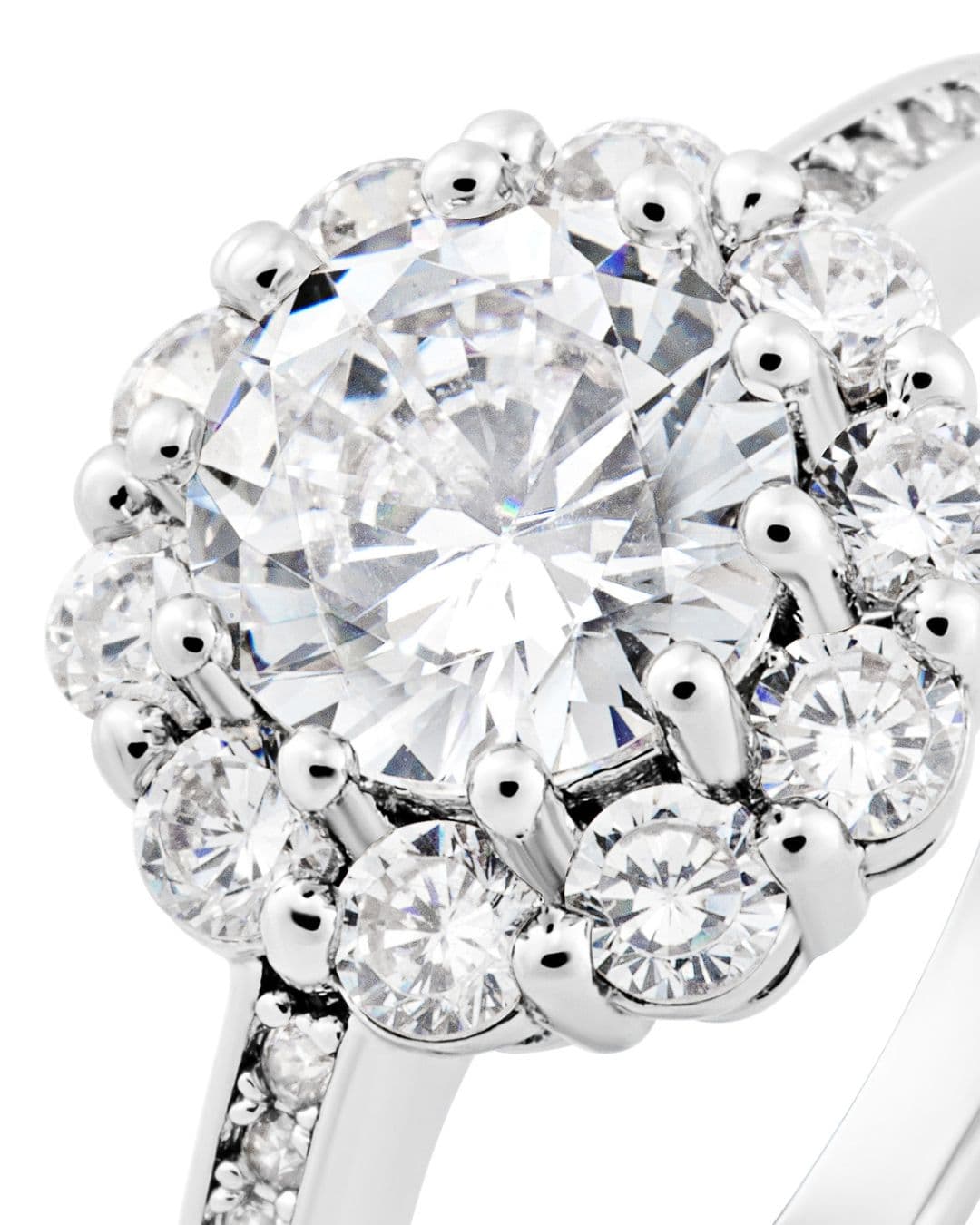
A clean overall view establishes the design. A close view can show the setting, engraving or texture. A clasp or reverse view may be useful when construction affects wear or purchase confidence.
Do not expect one heavily cropped image to explain the whole piece. Check that paired items, chain lengths and included components are clear.
Control reflections without erasing the material
Polished metal reflects its environment. Useful highlights and darker edges describe the shape; a flat bright surface can make it harder to read. Brushed and polished finishes should not be retouched into the same appearance.
Stones also need careful treatment. Avoid editing that implies a different colour, cut or quality. Compare the finished image with the representative sample and approved references.
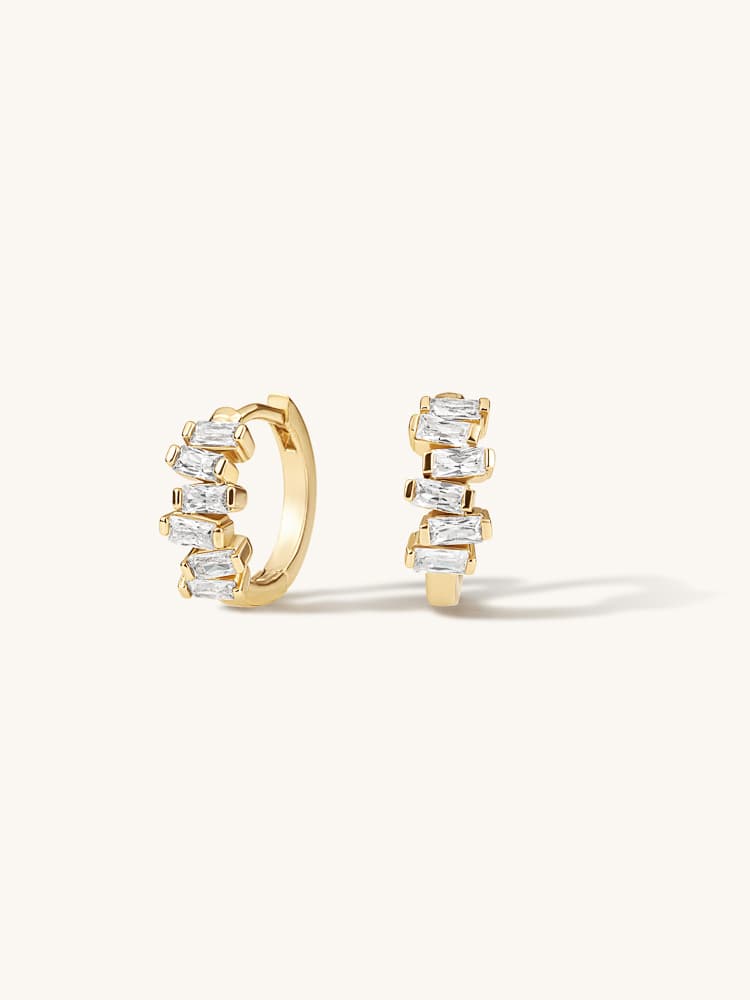
Help people judge scale
Use accurate dimensions and a suitable scale or worn view where relevant. If a model is involved, agree the crop, styling and intended usage in the brief. A close view without context can make a small item appear much larger than expected.
AI-assisted scenes or models need the same checks, including fit, proportions, stone count and construction. An attractive result is not evidence that those details are correct.
Prepare and label the pieces
Send clean, representative samples with clear identifiers. Explain delicate handling requirements and provide the required paired pieces or chains. Agree secure delivery and return arrangements with the studio before dispatch.
Give a list of required views and materials. If there is an established catalogue style, include representative images so the new pieces can be matched.
Review at two sizes
Inspect full resolution for edges, setting detail and temporary marks, then check the image as a product tile. Compare the range for crop, scale and colour consistency.
PMP’s jewellery photography service can help define the useful views and finishing for your collection. For reflective surfaces, the guide to shine on white explains why lighting matters so much.