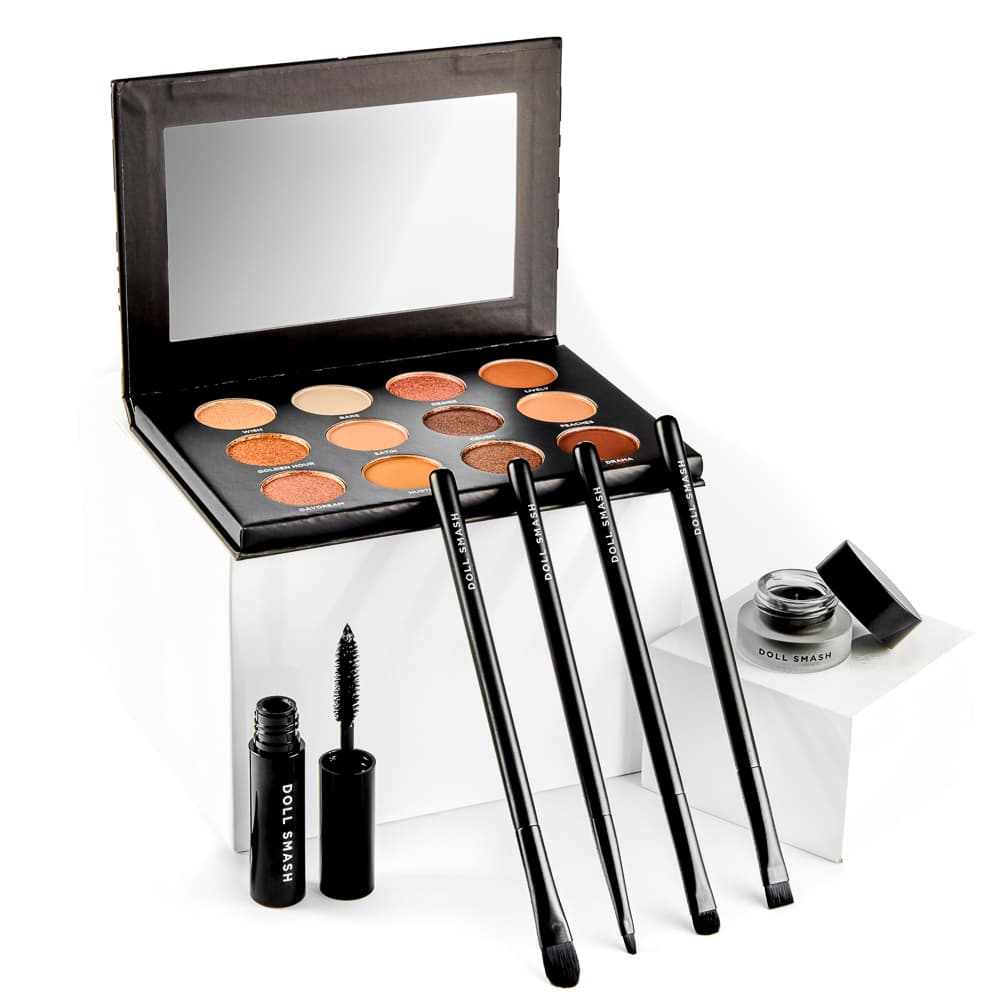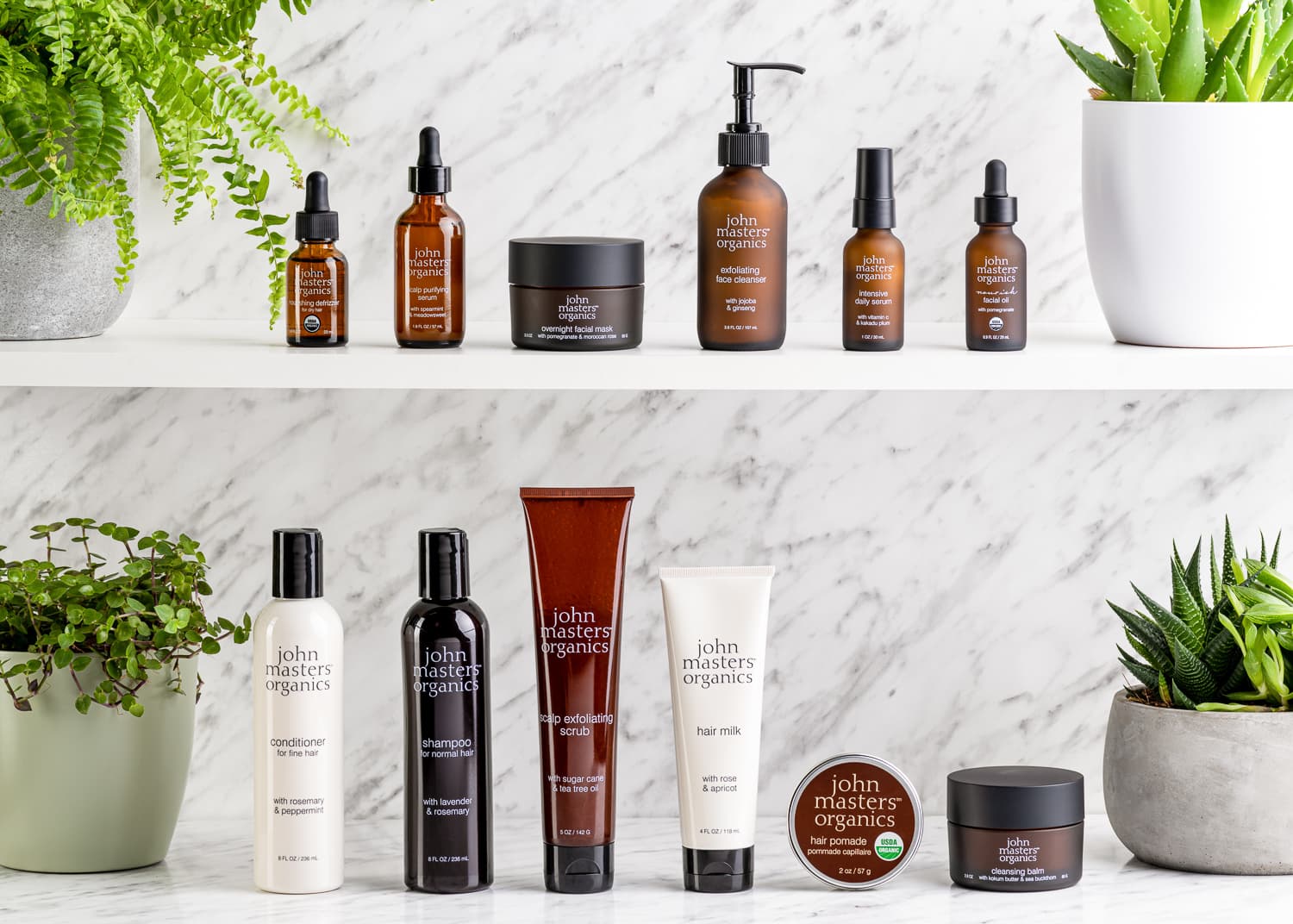
“A few photographs” can mean a few simple product views or several styled compositions, colour variants and final crops. A useful estimate starts by making those differences visible.
You do not need to reduce the ambition of the project. You need to identify which images matter most and what work each one involves. That gives the studio something concrete to price and schedule.
Count compositions and outputs separately
List the distinct photographs or scenes you need. Then list the formats or crops required from each. A single group arrangement is different from individual views of every product, and a square export is different from a new camera angle.
Include variants explicitly. Changing a colour, label or size may require another capture or additional retouching; do not assume it is a free copy of the first image.
Explain the difficult parts early
Reflective finishes, transparent packaging, fabric styling, product assembly and specialist props can all affect production. Show the actual sample where possible rather than relying only on a polished reference image.
Tell the studio which details must match exactly and which creative choices are open. That helps the team propose a practical route rather than guessing the level of work expected.

Set priorities within the budget
Mark the images required for launch and the ones that would improve later campaigns. Ask for options if the complete wish list exceeds the available budget. A smaller, coherent first set may be more useful than spreading the work too thinly.
If existing photos are suitable, discuss reuse, retouching or a composite. PMP AI Studio may also suit self-service exploration of supporting imagery, with review time included in your own plan.
Agree what a revision means
Clarify how feedback will be handled and what is included. Correcting a missed agreed detail is different from requesting a new creative direction after approval. If the scope changes, confirm the effect on the estimate and schedule before proceeding.
Use one feedback owner and a clear deadline. Several uncoordinated messages can leave the team uncertain about which version is approved.
Leave with a checkable plan
The final agreement should identify the products, image roles, finishing level, delivery formats, timing and review stages. Keep unresolved questions visible rather than assuming the studio will interpret them as you intended.
Our brief guide provides a starting structure. A rough but specific brief is more useful than a polished document that never says what the images need to do.